His chin dropped, and he caught it

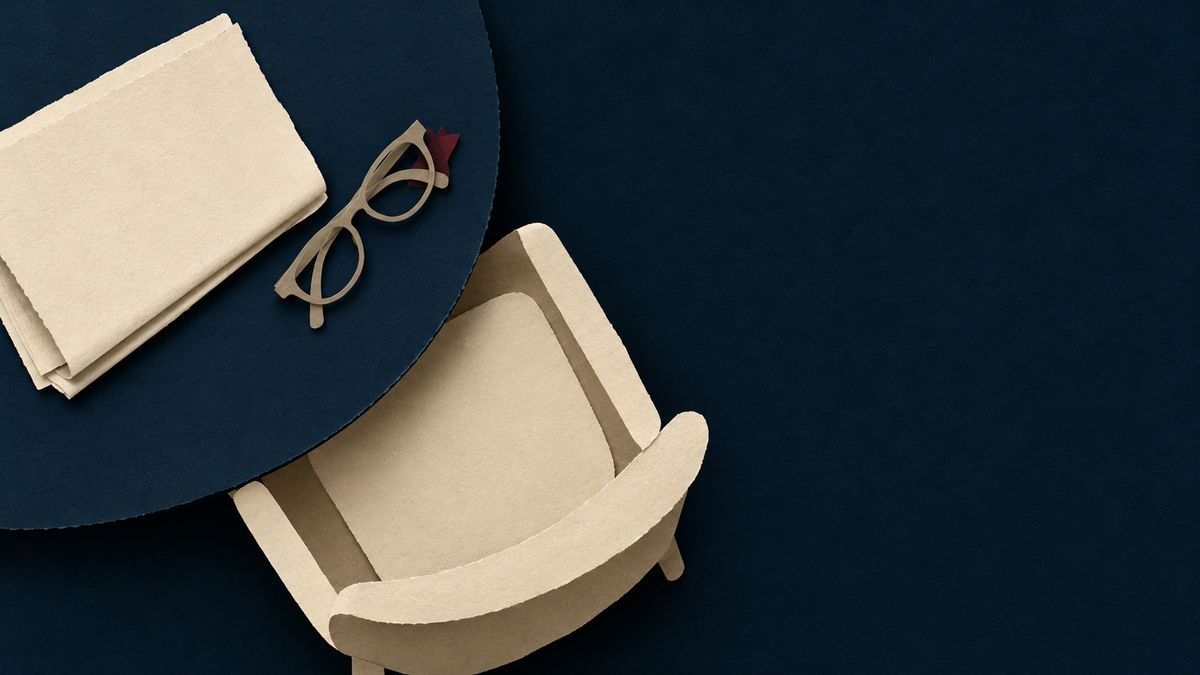
Monday, 2:55 PM, the reading room of a West Village library.
The radiators had come on for the first cool week of autumn, which is how libraries make their case for silence. The man at the long oak table was about seventy-four. He wore a corduroy jacket, had a newspaper folded to the crossword, and wore his reading glasses low on his nose.
He yawned at 2:58, the full kind, jaw wide, eyes watering. He yawned again at 3:04. He yawned again at 3:07, with a hand raised a moment too late.
I counted, because I count everything. It does not make me popular at dinner parties.
At 3:09 his blinks slowed. His chin sank toward his collar, an inch, then two.
SEEING THROUGH
The Caught Chin
EVIDENCE: MIXED ■■□ · Real link; likely a signal, not a cause
The catch took under a second. His head came up, he glanced around to see who had noticed, and he turned a crossword page he had already turned. That sequence is a body losing a short argument with its own sleep pressure. The yawns cluster, the blinks slow, and the neck lets go. The easy reading is age, and it is the wrong one. Older adults need about the same sleep as younger ones, roughly seven to nine hours. Being sleepy all the time is a reason to see a doctor. The complication was the radiator, and the hour. A warm room in mid-afternoon tips almost anyone toward a nod. One nod is weather. A pattern is climate.
Underneath
What the body is doing, in three steps
The longest view comes from Chicago. Researchers tracked 1,401 older adults with wrist sensors, checked yearly for up to 14 years. About three in four began with no memory problems. In the hospital's own summary, naps grew about 11 minutes a year in people whose thinking held steady. After an Alzheimer's diagnosis, napping nearly tripled. People napping an hour or more a day had about 1.4 times the risk of Alzheimer's. The abstract gives that risk only in relative terms, and a co-author stresses the study is observational. Then comes the counterweight. Britain's Million Women Study followed 830,716 women for 17 years, and about 4 in 100 had dementia recorded. Their napping link was strong in the early years and faded with longer follow-up. That pattern points to early illness bringing the naps, not the other way round. The nap looks like a messenger, not the culprit.
If the pattern is left alone
Bottom line: dementia recorded among 830,716 UK women, nappers or not. Other figures are sourced in the evidence log below.
Tomorrow, between lunch and five, keep a tally on a scrap of paper. Make one mark for each yawn and a circle for each time your head dips while you sit. If you nap, note whether you meant to and how long it ran. Don't fight any of it; just count. Write the totals at the bottom. That is your baseline, not a verdict.
Field Prescription
One action. Then take it to a professional.
For two weeks, keep one line a day: bedtime, wake time, any naps (planned or not, and how long), and afternoon head-dips. Ask anyone who has heard you sleep whether you snore loudly or seem to stop breathing. Bring the log to your physician and ask whether the pattern warrants a sleep evaluation.
File status: open
I don't know how he slept, what he takes, or whether this was his every afternoon or his first. Ten minutes shows a nod, not a trend. A short, planned nap may be harmless, even helpful; one genetic study of 378,932 adults leaned that way. Tomorrow, the pharmacy counter, and the business on the other side of it.


